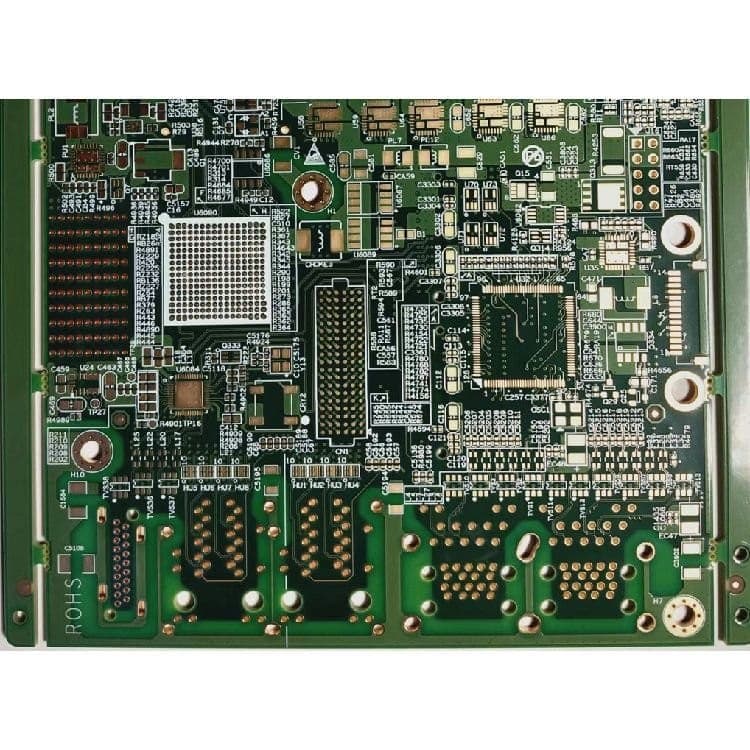
Controlled Impedance PCB
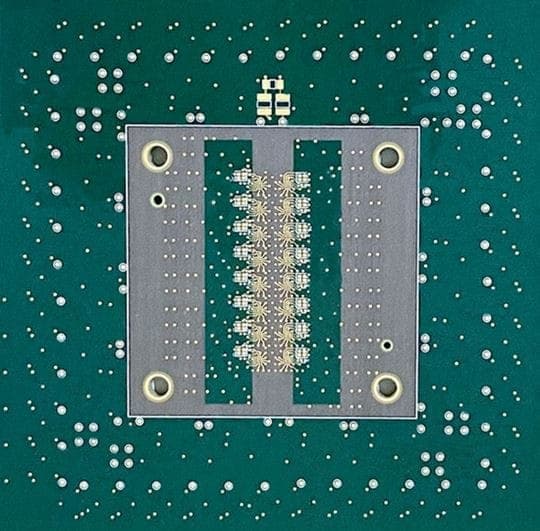
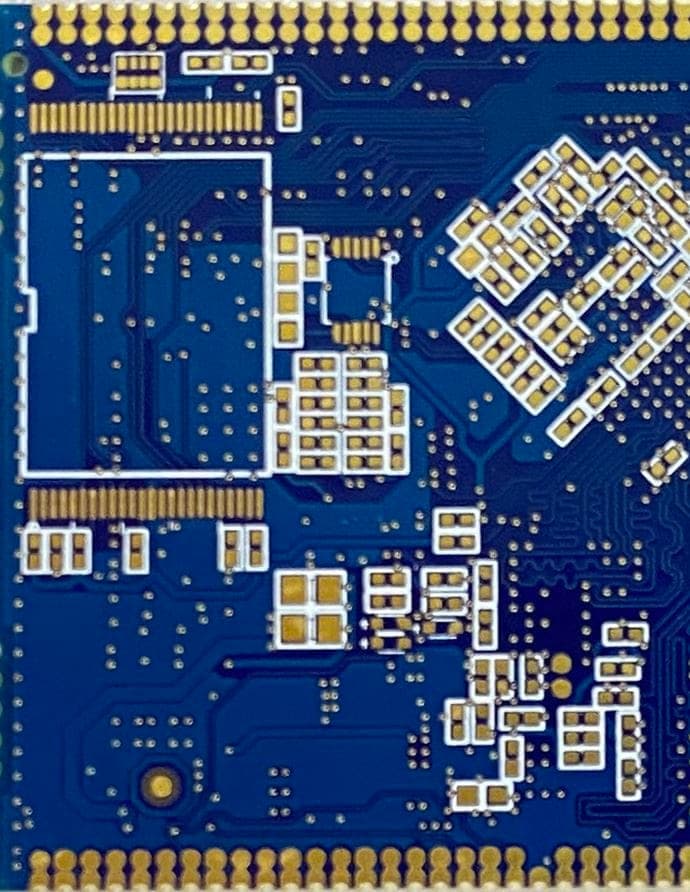
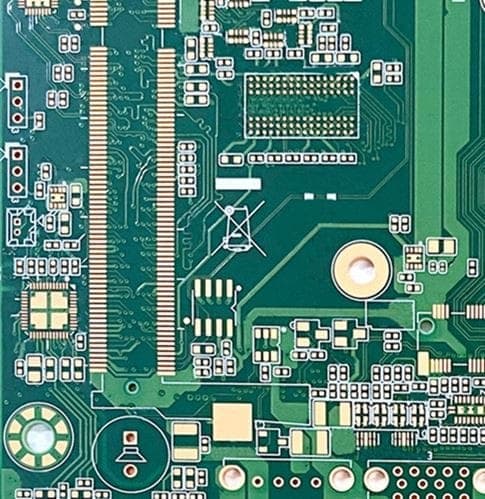
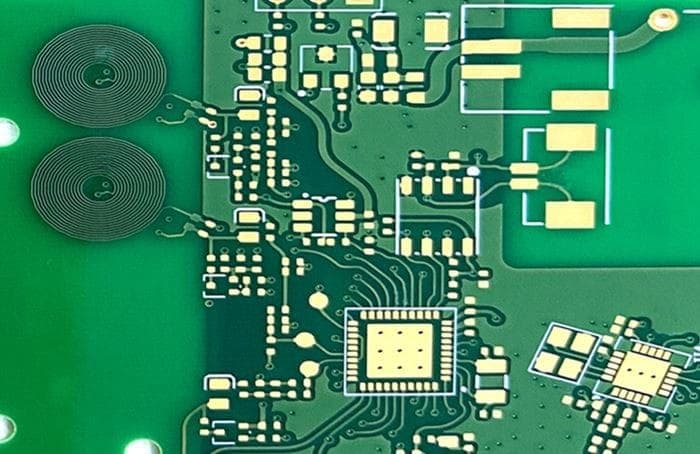
A controlled-impedance PCB engineered to hold characteristic impedance to a defined target — typically 50 ohm single-ended or 90/100 ohm differential — across every high-speed trace on the board. Impedance on a PCB depends on four primary factors: dielectric thickness (FR-4 core for double-sided, prepreg and core for multilayer), trace width and trace-to-trace spacing, copper thickness (1oz finished is standard, but plating uniformity matters), and dielectric constant of both the substrate and the solder mask covering the traces. Sihui Fuji controls all four during fabrication and runs TDR test coupons to verify the target. Used wherever high-speed signaling matters: consumer phones and laptops, automotive ECUs, medical imaging and life-support electronics, aerospace flight controls, and defense systems.
Specs
| Characteristic | Controlled impedance |
| Impedance | Controlled |
Applications