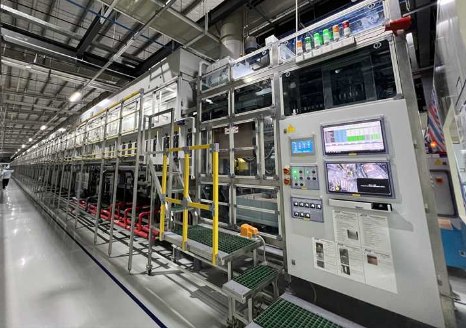
Step 1: Preparation Before starting the PCB washing, the operator should make sufficient preparations. Firstly, inspect the production equipment to ensure they are in normal condition. Secondly, clean and prepare the PCB to eliminate any dirt and dust that may affect the cleaning process. Finally, check to ensure that the dust doors at the equipment interfaces, drainage ports, etc. Of the washing equipment are closed. Step 2: Apply cleaning agent Before starting the water washing process, it is necessary to apply cleaning agent to the surface of the PCB. The main function of the cleaning agent is to remove oil, dirt, and other debris from the surface of the PCB, and to remove chemical rust from the surface of the PCB. The cleaning agent should be evenly applied to the surface of the PCB and its quality should be checked to ensure that it is suitable for practical application needs. Step 3: Soak in water for washing After coating, immerse the PCB in a water washing tank, and the time for applying cleaning agent usually takes 20-30 seconds. During the cleaning process in the soaking water washing pool, attention should be paid to avoiding collisions or slight friction caused by the impact of the PCB. At the same time, the purpose of thoroughly cleaning the PCB can be achieved by mixing free phosphoric acid and swinging both sides. Step 4: High pressure water washing In addition to soaking in water for washing, high-pressure water washing is also one of the necessary steps in the process of washing PCB. In this step, the PCB is placed in a special water washing device, which can activate a powerful steam jet to clean all residues on the surface of the PCB. At the same time, all holes and grooves on the PCB must be thoroughly flushed to ensure a reduction in residual depth. Step 5: Water flushing and running water The final step is to rinse with water. This step mainly involves thoroughly flushing the PCB and ensuring that it does not carry any residual water cleaning agents, cleaning agents, etc. In the process of running water, special attention shall be paid to keeping the water clean (without coating) and free of dust, foam and other impurities, so as not to affect the smooth progress of the next process.