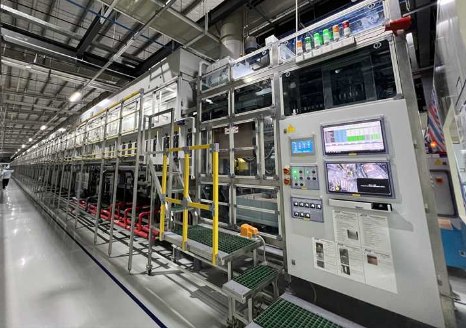
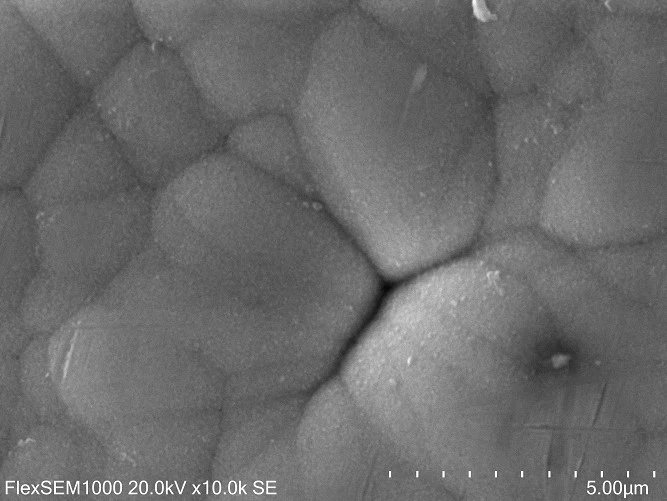
The surface treatment of ENIG is one of the common surface treatment technologies in the electronics industry, which can make the surface of boards have good conductivity, corrosion resistance, and oxidation resistance. The main method to achieve this effect is to form a layer of metal foil on the surface of the PCB through immersion plating, which plays a protective and strengthening role. Firstly, the surface of the PCB will be cleaned by processes such as polishing, cleaning, and removing oil stains, so that subsequent metal foil immersion coating can better adhere to the surface. Then, a layer of nickel and a layer of gold are electrolytically deposited on the copper board. Nickel and copper have a good affinity and can be firmly fixed on copper, while gold is a highly stable precious metal with strong resistance to oxidation and corrosion, while also avoiding the accumulation of inert substances. During the immersion process, the board undergoes a chemical reaction with a metal solution to gradually reduce metal ions such as gold and copper in the solution, depositing on the surface of the PCB to form a layer of metal foil. The deposition thickness and shape can be adjusted according to requirements. Hard metal foil is a high-quality surface protection material that can effectively prevent PCB from being affected by gases, liquids, and electrical signals, thereby better maintaining the service life and stability of PCB. After gold plating treatment, the surface of the PCB will become smooth, flat, shiny, and have good weldability and corrosion resistance. Due to the excellent conductivity of metal foil, the transmission efficiency of PCB has also been effectively improved. At the same time, metal foil can also serve as a good bonding layer between PCB and other components, better connecting circuits, and improving the reliability and stability of electronic devices. ENIG surface treatment is a surface treatment technology that can form a layer of metal compounds on the surface of boards, thereby improving their conductivity, corrosion resistance, and reliability. The principle of ENIG surface treatment is mainly to use electrochemical reactions to deposit metal on the surface of the substrate, forming metal compounds. The price of ENIG surface treatment is relatively high, but it has a wide range of applications and can be used in fields such as electronics, communication equipment, automotive industry, medical devices, etc. In the electronics industry, ENIG surface treatment is widely used in the production of PCB (PCBs). In communication equipment, gold surface treatment is commonly used to improve the performance of low noise amplifiers. The requirements for surface treatment of ENIG are very strict, and strict control of treatment parameters is required to ensure its quality. This includes controlling factors such as processing temperature, concentration, and time. At the same time, strict quality control is required for the processed products to ensure that they meet various specific requirements. The ENIG surface treatment of PCB can provide good support and guarantee for the normal operation of electronic devices, making the surface of PCB have better performance and service life. Through the application of this technology, the quality and effectiveness of electronic products will also be effectively improved.