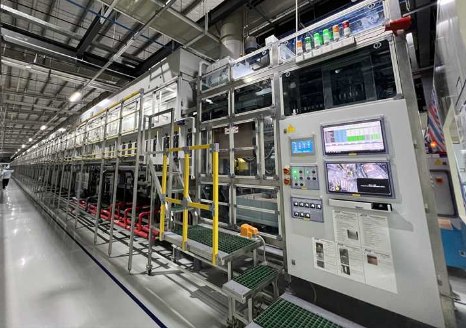
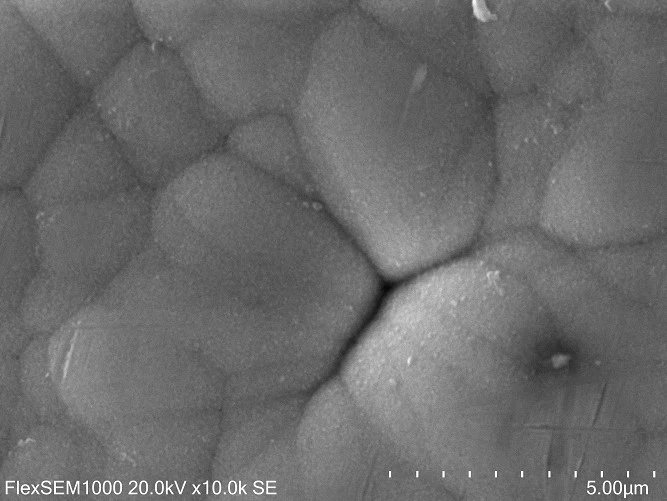
HASL is the abbreviation for Hot Air Solder Leveling, which is a relatively simple, effective, and cost-effective process for hot air solder leveling surface treatment. This process involves immersing the PCB in solder melt, then lifting it up and allowing excess solder to flow down, making the surface of the solder pad and components smooth and flat. The melting point of solder liquid is usually 183 ° C, while the surface temperature of PCB is above 245 ° C. It directly covers the entire board surface through physical adsorption on the melted solder surface. This surface treatment process has the characteristics of making the surface of PCB flat, low roughness, and high corrosion resistance, playing an important role in the installation and operation of electronic components. There are several different ways of HASL surface treatment, such as hot air HASL (HASL lead free), Silver HASL, Tin lead HASL, etc. Their chemical combinations and application ranges are slightly different. With the increasing environmental requirements, more and more processes are using lead-free HASL, which uses lead-free soldering in the process to avoid the problem of using harmful lead elements. The advantages of this technology lie in its good welding performance, good reliability, and lower cost. The scope of use includes audio devices, computer peripherals, household appliances, and other fields. Whether it is single board or multi-layer board, this surface treatment is generally done according to customer needs. Compared to other surface treatment methods, its price is more economical and relatively low. During the production process, we need to control technical parameters such as tin furnace temperature, hot air temperature, air knife pressure, and air knife angle. After production is completed, it is also necessary to measure the tin thickness to ensure that it meets customer requirements and standards. To ensure the consistency of surface treatment effect and the stability of product quality. As an important process flow for PCB, Sihui Fuji adopts a series of comprehensive management measures to ensure the accuracy and quality of the process. Standardized production management: Sihui Fuji has a comprehensive quality control system and ensures the stability of product quality through systematic operational training for employees. Complete equipment: Sihui Fuji has industry-leading technology and equipment in HASL surface treatment equipment, ensuring the stability and consistency of the production process. Strict quality control: Sihui Fuji takes strict quality control measures for the HASL surface treatment of each batch of PCB, ensuring the rigor and accuracy of each step to reduce losses and improve product consistency. Continuously optimizing the process: Sihui Fuji continues to pursue innovation and improvement in the HASL surface treatment of PCB. By repeatedly debugging and optimizing the production process, production efficiency can be improved while ensuring that product quality meets the highest standards. In order to meet the delivery time and cost requirements of customers, Sihui Fuji has equipped a specialized HASL surface treatment production line, which can strictly monitor the quality of PCB to ensure that the products shipped can meet customer requirements.