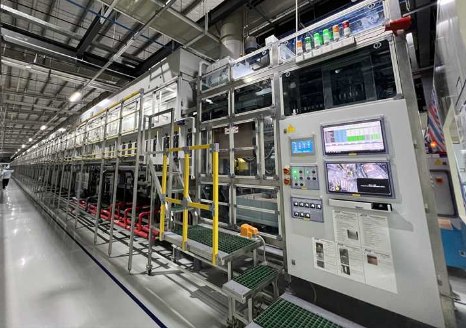
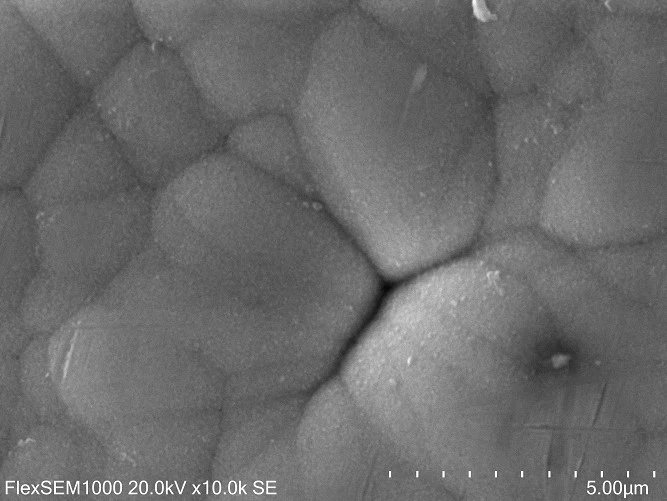
The Cu plating process of PCB is one of the important processes in manufacturing electronic boards. The Cu plating process of PCB mainly involves coating a layer of metal film on the surface of the board to form circuit connections and signal transmission. As a key component in the electronic industry, the electrical performance and reliability of PCB directly affect the quality and stable performance of the entire electronic product. Among them, the electroplating process is the most important part of the PCB manufacturing process. 1.Pre-treatment The treatment before electroplating of PCB is a very important step, which can effectively remove impurities and pollutants from the surface of the PCB, ensuring that the electroplating layer obtained after electroplating can adhere to the surface of the PCB and have sufficient adhesion. Electroplating pre-treatment usually includes the following steps: a. Degreasing: Wash the surface of the PCB with a chemical degreaser or coolant to remove grease and dirt from the surface. B. Decontamination: Soak and clean the surface of the PCB with alkaline or acidic cleaning agents to remove the oxide layer and oxide layer on the surface and prevent negative effects during electroplating. C. Copper removal oxidation: Treat the copper surface with a solution of immersed copper removal oxidant to remove the oxide layer and pollutants. 2.Preparation of electroplating solution Electroplating solution is a very important part of the electroplating process, which determines the thickness, adhesion, and corrosion resistance of the electroplating coating. The formula of electroplating solution varies for different materials and construction requirements. During the preparation process of electroplating solution, the following points need to be noted: a. Choose suitable electroplating solution raw materials, such as acid or alkali. B. Determine the process parameters of the electroplating solution, such as voltage, current density, and electroplating time. C. Choose appropriate electroplating baths and electrodes. 3.Cu plating operation The electroplating operation of PCB is the most critical part of the entire electroplating process, which directly affects the final plating layer thickness, smoothness, and adhesion. The electroplating operation includes the following steps: a. Check whether the electroplating tank and electrodes are clean and meet the process requirements. B. Place the PCB in the electroplating bath and connect the positive and negative electrodes. C. Control the thickness and uniformity of the electroplating layer by adjusting parameters such as voltage, current density, and electroplating time in the electroplating solution. D. During the electroplating process, it is necessary to constantly check the temperature and pH value of the electroplating solution to avoid any changes in the plating solution. E. After the electroplating is completed, remove the PCB from the electroplating tank and perform subsequent treatments such as washing and drying to ensure that the electroplating layer can perfectly adhere to the surface of the PCB. !info-363-205 Picture:Horizontal chemical plating !info-363-242 Picture:VCP filling plating As a key process in the manufacturing process of boards, Sihui Fuji has been dedicating all its efforts to continuously improve the quality of Cu plating products and explore various possibilities for cost reduction. We strive to provide customers with high-quality and cost-effective PCB.