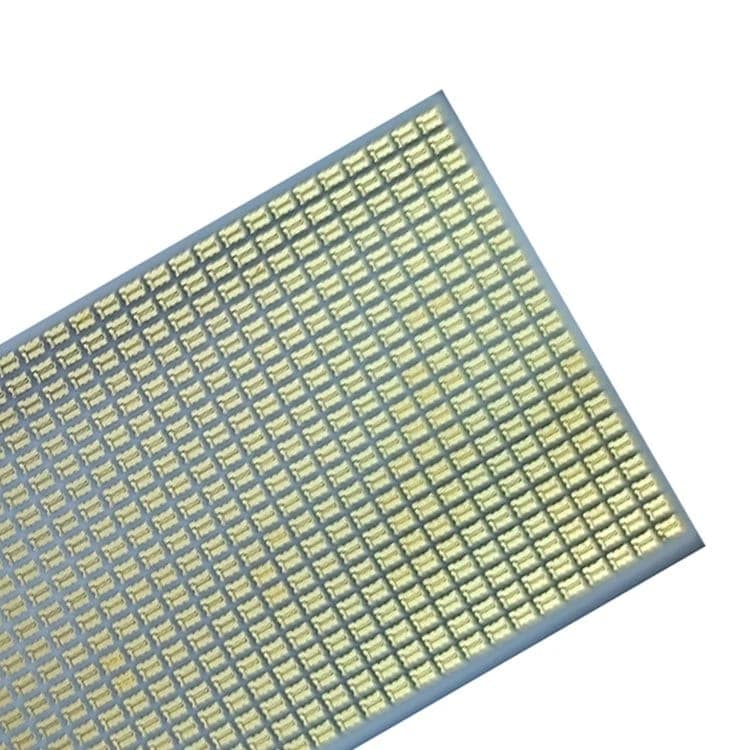
Ceramic PCB
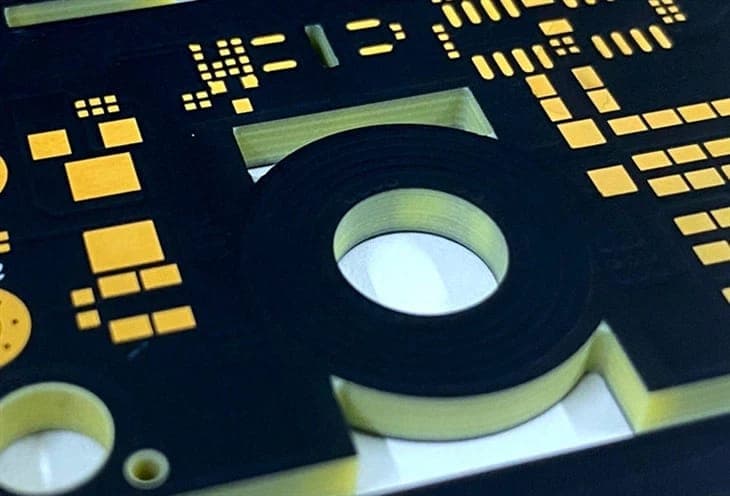
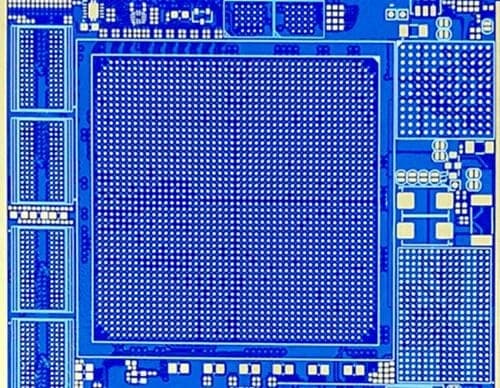
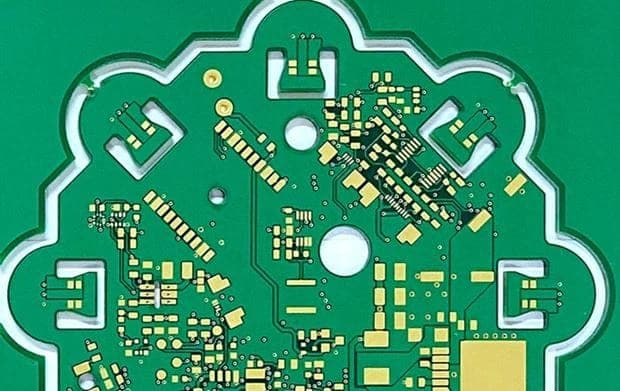
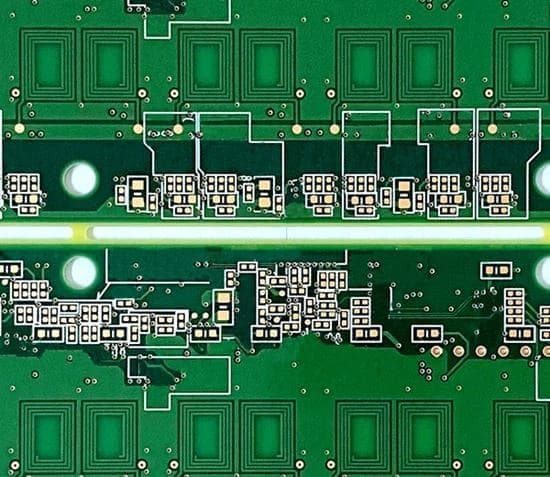
A printed circuit board using a ceramic substrate (typically alumina or aluminum nitride) instead of FR-4 or other organic laminate. The substrate is built with a thick-film process: a layer of conductive paste is screen-printed onto the ceramic and fired at high temperature to form metallized traces, after which components are attached and connected. Ceramic offers thermal conductivity an order of magnitude above FR-4, very low CTE mismatch with silicon dies, high dielectric strength, and dimensional stability across a wide temperature range, which makes it the preferred substrate for high-power, high-frequency, and harsh-environment electronics. Typical uses are power modules, automotive electronics, aerospace and defense, high-power LED lighting, and semiconductor packaging where heat dissipation and long-term reliability outweigh material cost.
Specs
| Material | ceramic substrate |
Applications