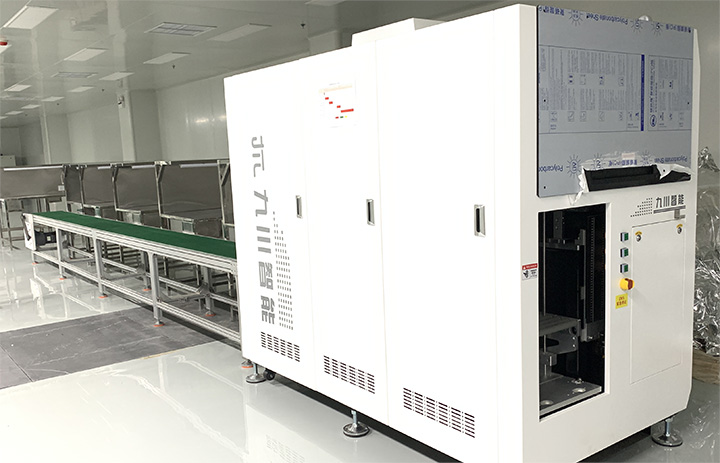
PCB are an indispensable part of modern electronic products, carrying the function of circuit connectivity. However, even the highest quality PCB inevitably encounter some problems. Therefore, during the production and assembly process, it is necessary to visually inspect the PCB to ensure the quality and reliability of the product. Visual inspection is the simplest and most common inspection method. It is usually completed by well-trained operators who visually observe various parts of the PCB to confirm whether it meets design specifications. When conducting a visual inspection, the first step is to carefully observe the overall appearance of the PCB and confirm that there are no burrs, uneven areas, or stains on the board surface. Standards for visual inspection methods Visual inspection is a simple and effective way to determine whether a PCB meets quality requirements by visually observing the surface of the PCB for defects or foreign objects. 1. Check the environment The visual inspection environment should be kept bright and evenly lit to reduce fatigue and discomfort to the eyes. In addition, there should be no strong magnetic fields, radiation, or static electricity around the inspection area that may affect electronic components. 2. Inspection tools Visual inspection requires the use of a magnifying glass and a light source, which can magnify the details of the PCB and illuminate the inspection area. 3. Inspection steps The steps of visual inspection are usually: first inspect the surface, then inspect the bottom. When inspecting the surface, it is necessary to observe whether the electronic components, welding points, and circuit wiring on the PCB are standardized and safe, including the soldering pins, pads, orientation, and contour. When checking the bottom surface, it is necessary to observe whether the bottom surface of the board is clean and free of rust, and pay attention to welding reliability, half hole, hollowing, flipping, and whether some parts and surface assembly directions are correct. Precautions for visual inspection 1. Personnel requirements Visual inspection is a process that requires skills and experience, and requires professional personnel to operate it. For inexperienced personnel, they should practice in relatively simple projects to avoid making incorrect judgments about the PCB. 2. Quality of pcb The quality of boards can also have an impact on visual inspection. If the surface treatment of the PCB is improper, it may lead to incorrect welding points, disordered circuit routing, and affect the accuracy of visual inspection. 3. Inspection time In order to ensure that visual inspection is not fatigued or delayed, it is necessary to take effective rest or rotation inspections, and during the inspection process, try to keep your vision in a highly focused state.