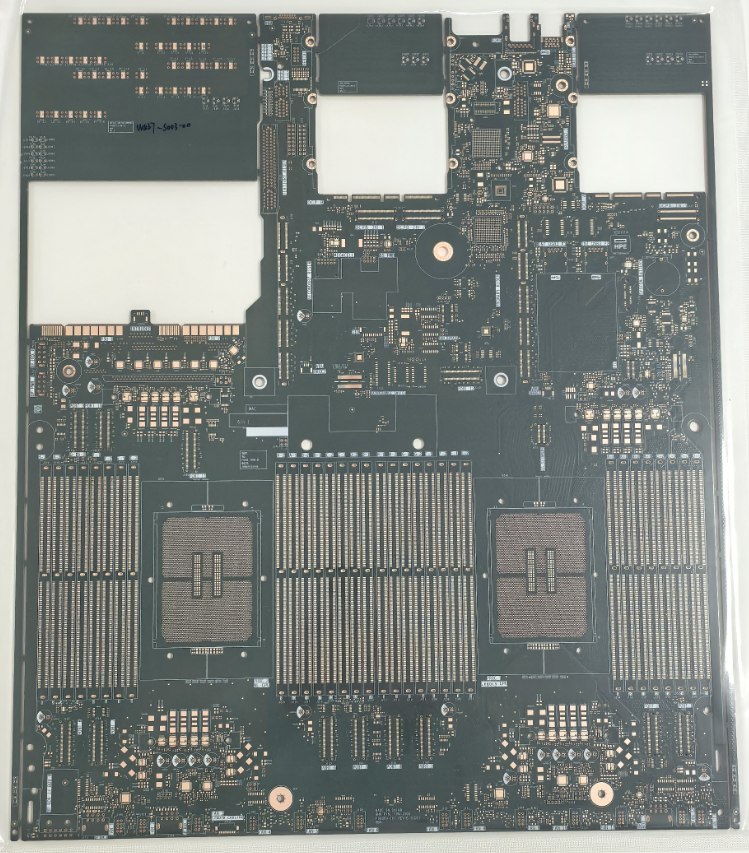
In electronic circuits, PCB are the connecting medium between electronic components. In the manufacturing process of PCB, three different types of holes are often involved, namely blind holes, through holes, and buried holes. Understanding the differences between these three types of holes is crucial for understanding the manufacturing and maintenance of PCB. First, let's introduce blind holes. Simply put, blind holes only connect one layer of the PCB and cannot be connected to the other side. Blind holes are often used for single panel or outer PCB assembly. Through hole. A through hole is a hole that passes from one side of a PCB to the other. This type of hole can connect multi-layer of PCB. Buried hole. It refers to the connection between any circuit layer inside a PCB (PCB), but without conduction to the outer layer, that is, without conduction holes extending to the surface of the PCB. Buried holes are commonly used in multi-layer boards, and their biggest advantage is that they can greatly simplify the design and manufacturing process of PCB, while also reducing the burden on PCB. In summary, blind holes, through holes, and buried holes all have their own advantages and disadvantages, and different hole types may have specific usage scenarios in specific situations. Mastering the differences and characteristics of these holes helps to select appropriate types of PCB holes, thereby improving the performance and reliability of the PCB.