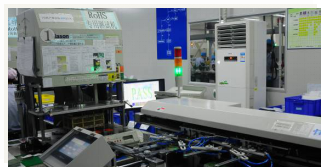
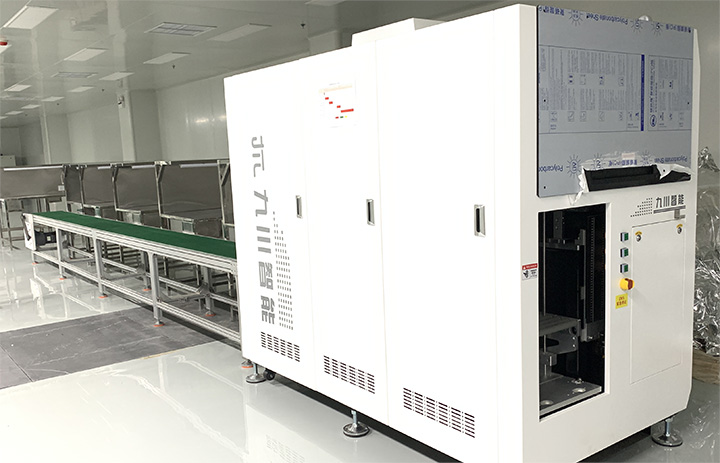
During the production process of PCB, it is inevitable that external factors may cause electrical defects such as short circuits, open circuits, and leakage. In addition, PCB continue to evolve towards high density, fine spacing, and multiple levels. If defects are not screened and treated in a timely manner, allowing them to flow into the process will inevitably result in more cost waste. Therefore, in addition to improving process control, improving testing technology can also provide PCB manufacturers with solutions to reduce scrap rates and improve product yiel. General requirements for electrical testing Electrical testing mainly tests the conductivity and insulation of the pcb. Continuity testing refers to measuring whether the resistance value of nodes within the same network is less than the continuity threshold to determine whether the line is disconnected, commonly known as an open circuit; Insulation testing refers to determining whether there is a short circuit in an insulation network by measuring whether the resistance value between different network nodes is greater than the insulation threshold. Factors affecting PCB E-testing With the increase of circuit density, the difficulty of electrical testing also increases, and new testing technologies have emerged to cope with the development of the PCB industry. The main factors that increase the difficulty of testing are: a. Pad size on the substrate surface b. PAD span (Pitch) c. Reducing the spacing between wires reduces the aperture of the conducting hole d. PAD surface indentation limit e. Improvement of measurement blocking accuracy requirements f. Increased testing speed requirements, etc Classification and Principles of Electrical Performance Testing Techniques PCB electrical performance testing can be divided into two categories in principle: resistance testing method and capacitance testing method. The resistance testing method can also be divided into two terminal testing and four terminal testing, among which the four terminal testing method is the most common one; According to whether the test probe is in complete contact with the PCB, it can be divided into contact testing method and non-contact testing method. Methods and equipment for electrical measurement Typical testing methods include dedicated, universal grid, flying probe, non-contact electron beam, conductive cloth (adhesive), capacitive, and brush testing. Among them, the most commonly used devices are dedicated testing machines, universal testing machines, and flying probe testing machines. The PCB electrical testing process is one of the indispensable and important processes in the manufacturing of electronic products. Accurately completing the PCB electrical testing process can ensure stable and reliable circuit connections of electronic products, and improve product quality and reliability. !Jig tester Picture:Jig tester !Four wire tester Picture:Four wire tester Sihui Fuji emphasizes the business philosophy of quality first and resolutely prevent any defective products from delivering to customers. For the detected defective products, some of them will be used for experimental verification and analysis to find the cause of the defect, while the other part will be directly scrapped, firmly preventing the defect from flowing out to the customer, insisting on not manufacturing defects, not flowing out defects, and not causing trouble to the customers.