Back to Insights

2022 · 09 · 14

Production & Packaging

FQC Engineering Team

1 min read

Pros and Cons of Rigid-Flex Boards

Rigid-flex PCBs combine FPC and PCB traits — both flex and rigid regions on the same board, well-suited for products with tight spatial constraints, but with complex processes, lower yield, and higher cost.

Published

September 14, 2022

Category

Production & Packaging

Author

FQC Engineering Team

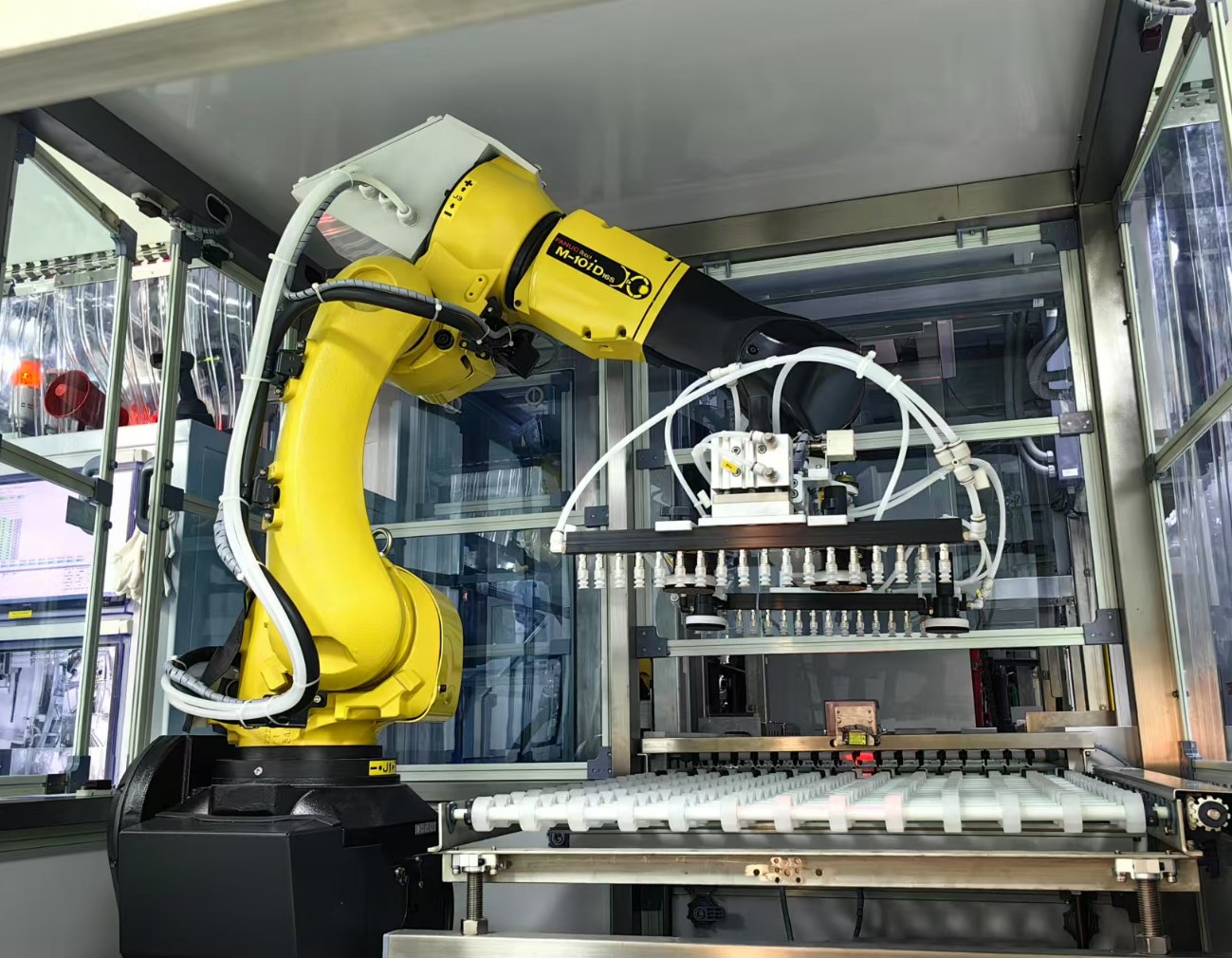
Robotic loader on the production floor

Pros: Rigid-flex PCBs combine the characteristics of FPC and PCB. Because they have both a flexible region and a rigid region on the same board, they suit products with special requirements, save internal space, help reduce finished-product volume, and improve overall performance.

Cons: Rigid-flex boards involve many process steps, are hard to make, and have lower yield, with higher material and labor input. Price is therefore relatively high and production cycle relatively long.

NEXT STEP

Talk to our engineers.

Design review, material selection, process questions — our technical team responds directly, not a sales funnel.

Next article

2022 · 12 · 24

Fluke Mentality vs. the Absoluteness of Quality

RELATED ARTICLES

Keep reading.