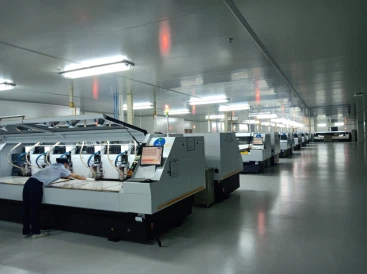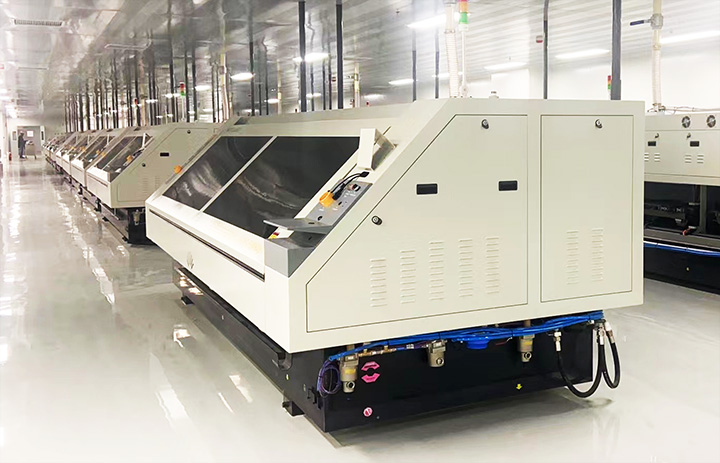
PCB drilling deviation is when hole positions on the board drift from the design intent. Because every component on a PCB connects through holes, drilling deviation seriously impacts both performance and quality.
Drilling needs high-precision equipment and a rigorous workflow. Equipment issues or operator error can introduce defects, losses, and added cost. Even precise machines lose accuracy over long use, eroding hole-position accuracy. The process is complex; if operators are unskilled or careless, deviations follow and propagate to downstream steps.
Countermeasures
- Equipment stability — Inspect, clean, and maintain drilling machines on a regular schedule so they meet spec.
- Process improvement — Use industry-standard workflows: precise positioning and registration, correct feed and spindle speeds, controlled drilling parameters.
- Training — Strengthen operator training to raise skill and quality awareness. Hands-on practice, periodic skill checks, and standardized procedures all help.
Drilling deviation should be addressed proactively across equipment, process, and people, so PCBs achieve their target performance and quality.